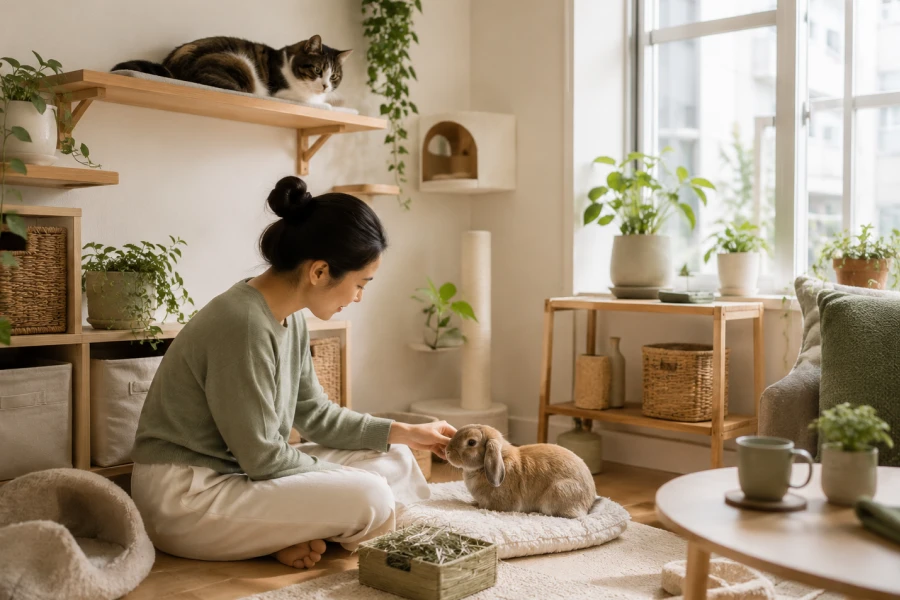
Indoor pets for apartments can make city living feel warmer and more personal. A small home does not have to feel lonely. The right animal can add rhythm, comfort, and companionship. Still, apartment living creates unique limits. Noise travels through walls. Storage can feel tight. Cleaning must stay manageable. Some pets need more enrichment than space. Others need quiet corners and predictable routines. Choosing well helps pets and people share compact spaces peacefully.
Indoor Pets for Apartments should match the building as well as the owner. A vocal bird may not suit thin walls. A rabbit may need protected flooring and chew-safe areas. A cat may need vertical climbing space. Fish may need stable furniture and safe outlets. Small mammals need ventilation and clean bedding. Lease rules may also shape your choices. A thoughtful apartment-friendly pet planning process helps avoid conflict. Good matches reduce noise, odor, and stress. Apartment pets thrive when their environment supports them.
Noise is one of the biggest apartment concerns. Some animals vocalize at dawn. Others become loud when bored. Even cage movement can disturb light sleepers. You need to consider your schedule carefully. If you work nights, daytime noise may affect rest. If neighbors are sensitive, quieter pets may fit better. Rugs, placement, and enrichment can reduce sound. Routine also helps animals relax. Calm pets usually create calmer buildings.
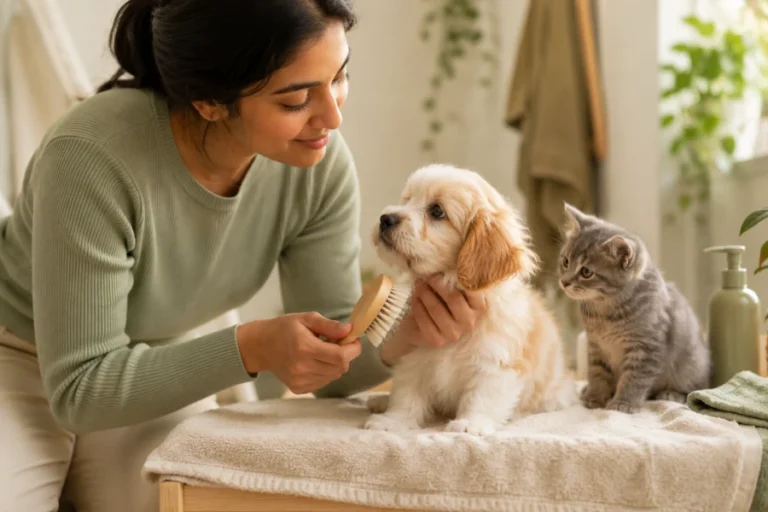
Indoor Pets for Apartments can require more supplies than expected. Bedding, litter, food, toys, carriers, and cleaning products all need space. A small home benefits from organized care zones. Store food in sealed containers. Keep grooming tools near cleaning supplies. Place toys in simple baskets. Choose habitats that are easy to access. A helpful compact pet setup makes daily tasks smoother. Organization prevents clutter from taking over. Good systems make small-space pet care feel lighter.
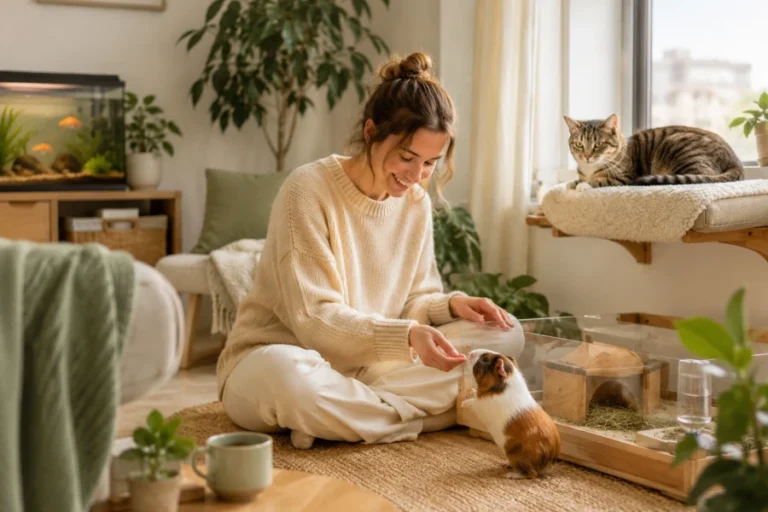
Indoor Pets for Apartments need enrichment because walls limit exploration. Cats enjoy shelves, window perches, and puzzle feeders. Birds need safe interaction and rotating toys. Rabbits need tunnels, mats, and chew-friendly spaces. Guinea pigs enjoy hideouts and predictable handling. Fish benefit from stable tank layouts and low-stress surroundings. Reptiles need habitat complexity, not constant handling. Enrichment should fit the species. It should also fit your energy. Smart activities reduce boredom-related problems.
Cleanliness matters more when rooms are compact. Odors spread quickly in apartments. Litter boxes need regular attention. Cages need bedding changes before smells build. Tanks need steady maintenance instead of rushed rescue cleaning. Pet hair should be managed before it gathers everywhere. A simple clean indoor pet routine keeps chores realistic. Small daily actions prevent major messes. Ventilation also helps air feel fresh. Clean care supports a happier shared home.
Indoor Pets for Apartments succeed when the home feels intentional. You should create zones for rest, food, play, and cleaning. Avoid placing habitats in chaotic corners. Watch how the animal responds during the first weeks. Adjust light, sound, and access as needed. Keep routines steady but flexible. Respect both your pet’s needs and your building rules. Do not rush into the most charming option. Indoor pets for apartments should improve daily life, not complicate it. The right match makes compact living feel complete.


Leave a comment